
Surgeon-led wart removal in Seattle, Washington
Anal Warts



Signs of anal warts
- Small, soft bumps, sometimes flesh-colored or pink
- Clusters that resemble cauliflower
- Flat, smooth lesions that are easy to miss
- Itching or irritation
- Minor bleeding
- A feeling that something is there
Anal warts are caused by low-risk strains of HPV, spread through skin-to-skin contact. They often extend beyond what's visible from the outside, which is why an exam by a colorectal surgeon, not a mirror check, is what actually finds them.
What it actually feels like
- The area is numbed with topical and local anesthesia before anything begins.
- Nitrous oxide is available if you want additional comfort during the procedure itself.
- Most patients describe pressure rather than pain, with manageable soreness for a day or two afterward.
- No sedation is used, so you will never need a driver.


How anal warts are treated
- Chemical treatmen
- Electrocautery
- Infrared coagulation
- Surgical excision for larger lesions
Most warts are treated in the office, quickly and with minimal discomfort. Your plan depends on the size, number, and location of the warts.
Your visit
- A private exam, typically just a few minutes
- High-resolution anoscopy if warts extend beyond what's visible externally
- Treatment the same day, in many cases
Because warts can extend internally, Dr. Kratz's exam looks beyond what's visible at the surface.

What it costs
Evaluation and removal of anal warts is a covered medical service often covered by insurance, depending upon your plan. Our billing team reviews your benefits and gives you pricing before your visit.
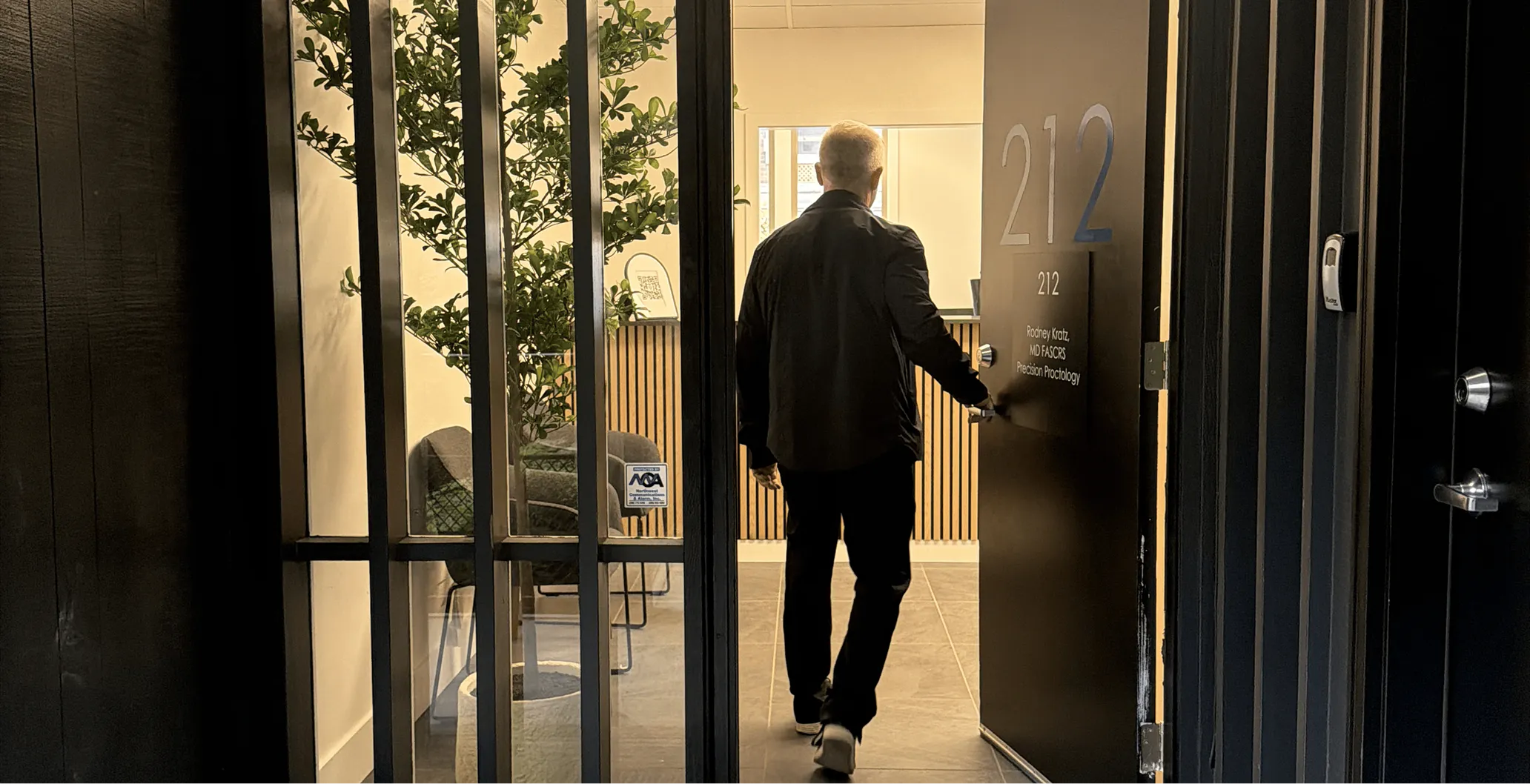
Performed by Dr. Kratz, in our Seattle office
Common questions

Connected to your care
Wart removal treats what's visible. Because warts are caused by HPV, a broader evaluation for abnormal cells and cancer screening is often part of the same plan.
You don't have to live with this.
Call or text for a private consultation and a clear plan.