
Sphincter-preserving laser closure, in Seattle, Washington
FiLaC® Laser Treatment for Anal Fistula




When FiLaC becomes an option
- Transsphincteric or complex fistulas, where cutting through the tract would risk bowel control
- Recurrent fistulas, or fistulas that returned after previous surgery
- Cases where preserving sphincter function is the priority
FiLaC isn't automatically the right choice just because it's minimally invasive. For a simple, superficial fistula, fistulotomy often heals faster with very little risk to continence. The fistula's anatomy determines which treatment fits, not a preference for newer technology.
How FiLaC works
- A thin laser fiber is passed through the existing fistula tract, no incision required to open it
- Laser energy is delivered circumferentially as the fiber is slowly withdrawn, causing the tract to shrink and close
- The anal sphincter is not intentionally divided
- Often preceded by a period of seton drainage if infection or an abscess is present
Roughly half to two-thirds of fistulas heal after a single FiLaC procedure, depending on the fistula's anatomy. If it doesn't fully close, other treatments, including a repeat FiLaC, remain available. Dr. Kratz reviews the realistic odds and alternatives for your specific fistula before you decide.
Your visit
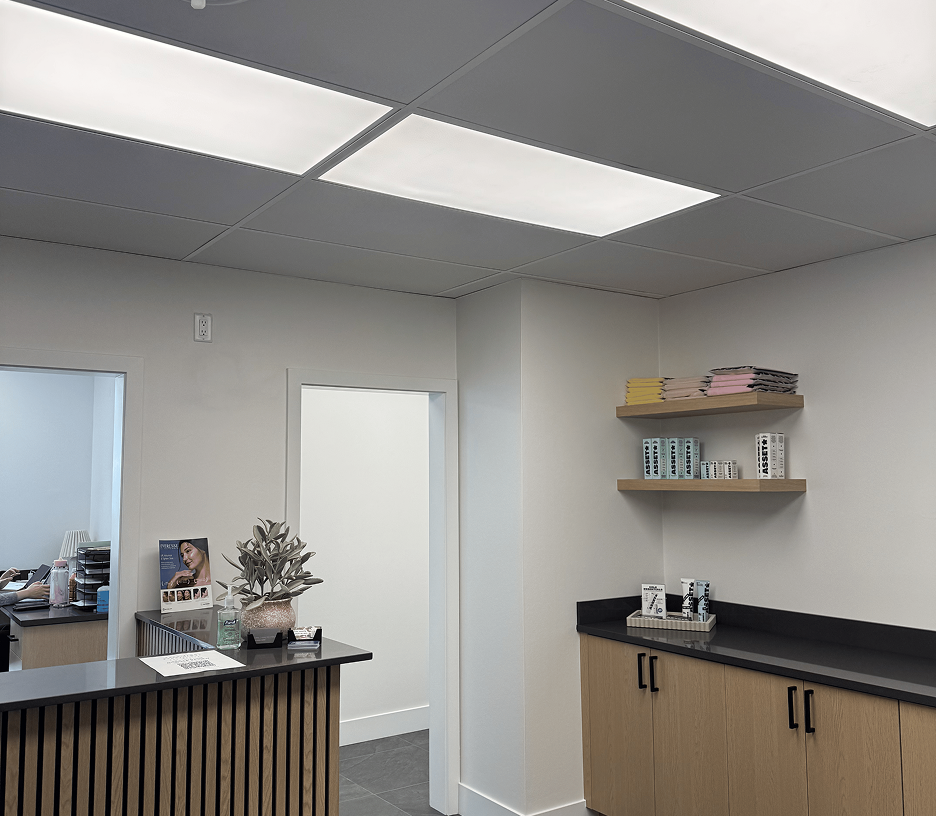
- A private exam and, when needed, a period of seton drainage to control infection first
- An outpatient procedure at the surgery center, home the same day, with no large surgical wound to close
- Drainage, mild bleeding, or swelling in the days afterward is normal, and doesn't mean it failed
Recovery is generally easier than after an operation requiring a large wound, though healing is gradual rather than immediate.
What it costs
Our billing team reviews your benefits and gives you your expected cost before your procedure.

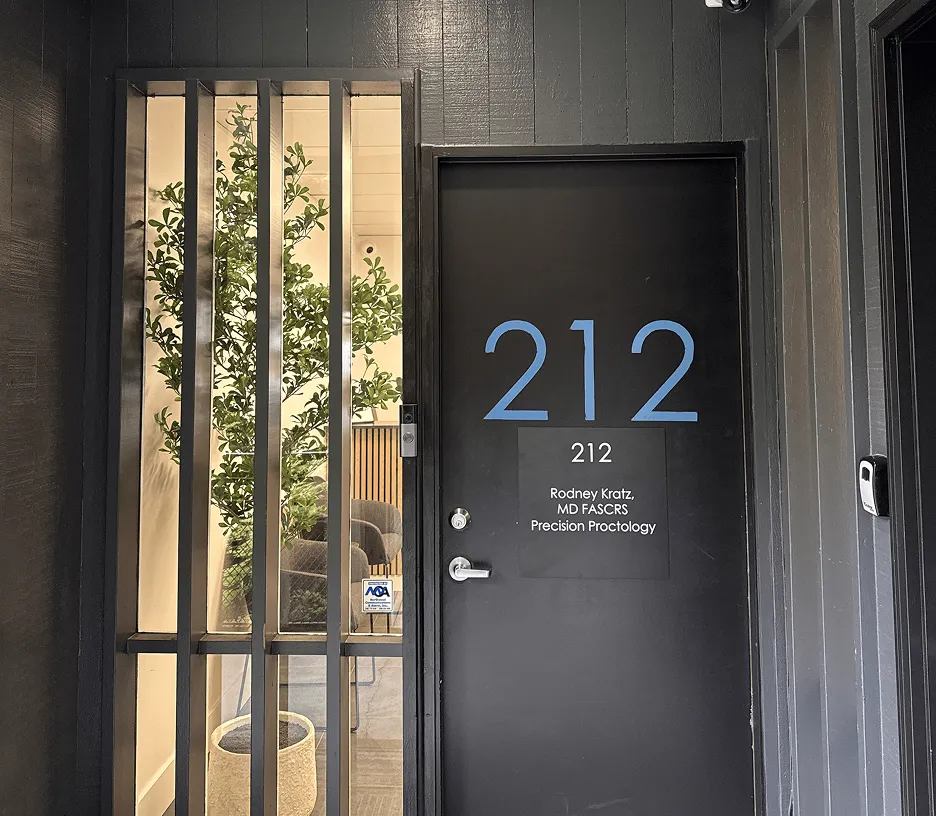
Performed by Dr. Kratz, at a surgery center
Common questions

Connected to your care
FiLaC is one option within our full anal fistula program, chosen when preserving sphincter function is the priority. Our Anal Fistula page covers the full range of treatment, including fistulotomy, seton placement, and LIFT.
You don't have to keep living with this.
Call or text for a private consultation and a clear plan.