
Nonsurgical treatment first, in Seattle, Washington
Anal Fissure
An anal fissure is a small tear in the lining of the anus, and it's one of the most common causes of sharp pain with bowel movements. Most fissures heal without surgery.




Signs of an anal fissure
- Sharp, cutting pain during or after bowel movements
- Bright red blood on tissue or in the toilet
- A visible tear or crack at the anal opening
- Spasm or tightness in the area
- Pain that lingers for minutes to hours afterward
Fissures are usually caused by trauma from a hard or large bowel movement and can also commonly occur after childbirth. Chronic fissures may remain open due to spasm in the internal sphincter muscle, which is why relaxing this muscle is an important part of treatment.
How anal fissures are treated
- Topical medication to relax the sphincter and increase blood flow, allowing the fissure to heal
- Fiber and stool softeners to prevent the reinjury that keeps a fissure from healing
- Botox injection to relax the internal sphincter when topical medication isn't enough
- Lateral internal sphincterotomy, a surgical option reserved for fissures that don't respond to nonsurgical treatment
Most patients heal with medication alone. Botox is a common next step before surgery is ever considered, and surgery is uncommon.

Your visit
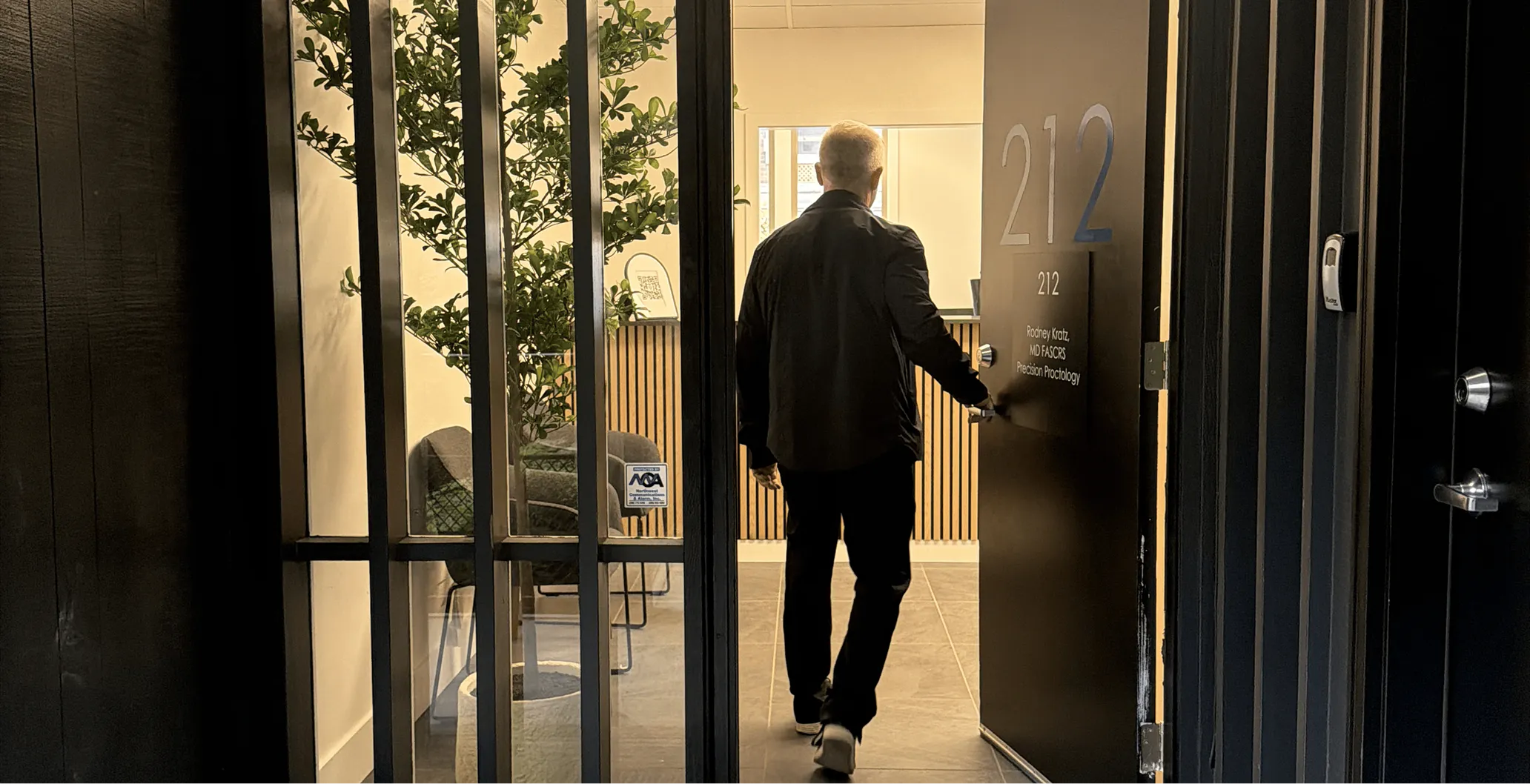
- A private, gentle exam, often just a brief visual check rather than an internal exam
- A clear treatment plan started the same day
- Same-day and next-day appointments available if pain is severe
Diagnosis is usually straightforward, and most patients leave with a plan they can start immediately.
What it costs
Fissure evaluation and treatment, including Botox when it's used for a fissure, may or may not be covered by insurance. Our billing team confirms your benefits before your visit.

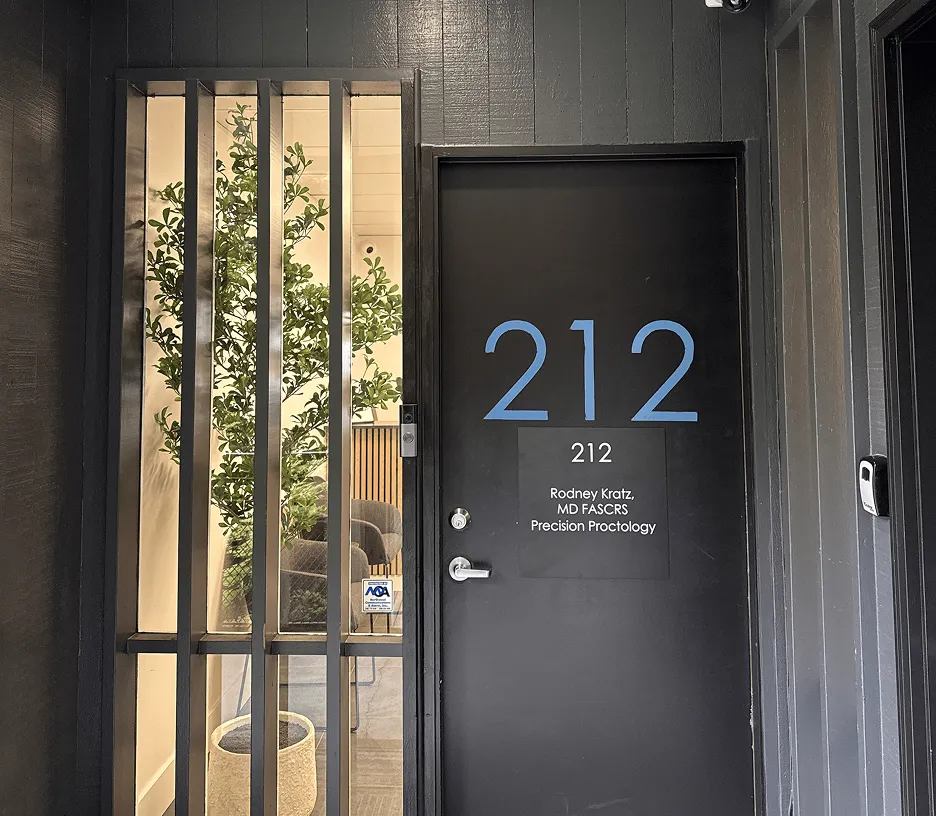
Performed by Dr. Kratz, in our Seattle office
Every exam and treatment, including Botox injection, is performed personally by Dr. Kratz.
Common questions
Do you treat anal fissures?
Will I need surgery?
Is Botox for a fissure the same as Intimate Botox?
How long until it heals?
Does it hurt to be examined?
Can this happen after childbirth?

Connected to your care
- If pain or spasm during intimacy is also a concern, including pain during sex after delivery, Botox may address both at once.
- Chronic fissures can overlap with chronic itching.
- Fissures that develop after childbirth are can be connected to postpartum tearing or scarring.
- Many people continue to suffer from chronic fissures because they are afraid of surgery.
- If a fissure does not heal with other treatments, surgery may be an option.
- Treatment is focused on relaxing the internal sphincter muscle so the fissure can heal.
You don't have to keep living with this.
Call or text for a private consultation and a clear plan.